
CARBON REMOVAL WEEKLY SUMMARY (24 MARCH - 30 MARCH 2025)—WEEK#13
Links to recent scientific papers, web posts, upcoming events, job opportunities, podcasts, and event recordings, etc. on Carbon Dioxide Removal Technology

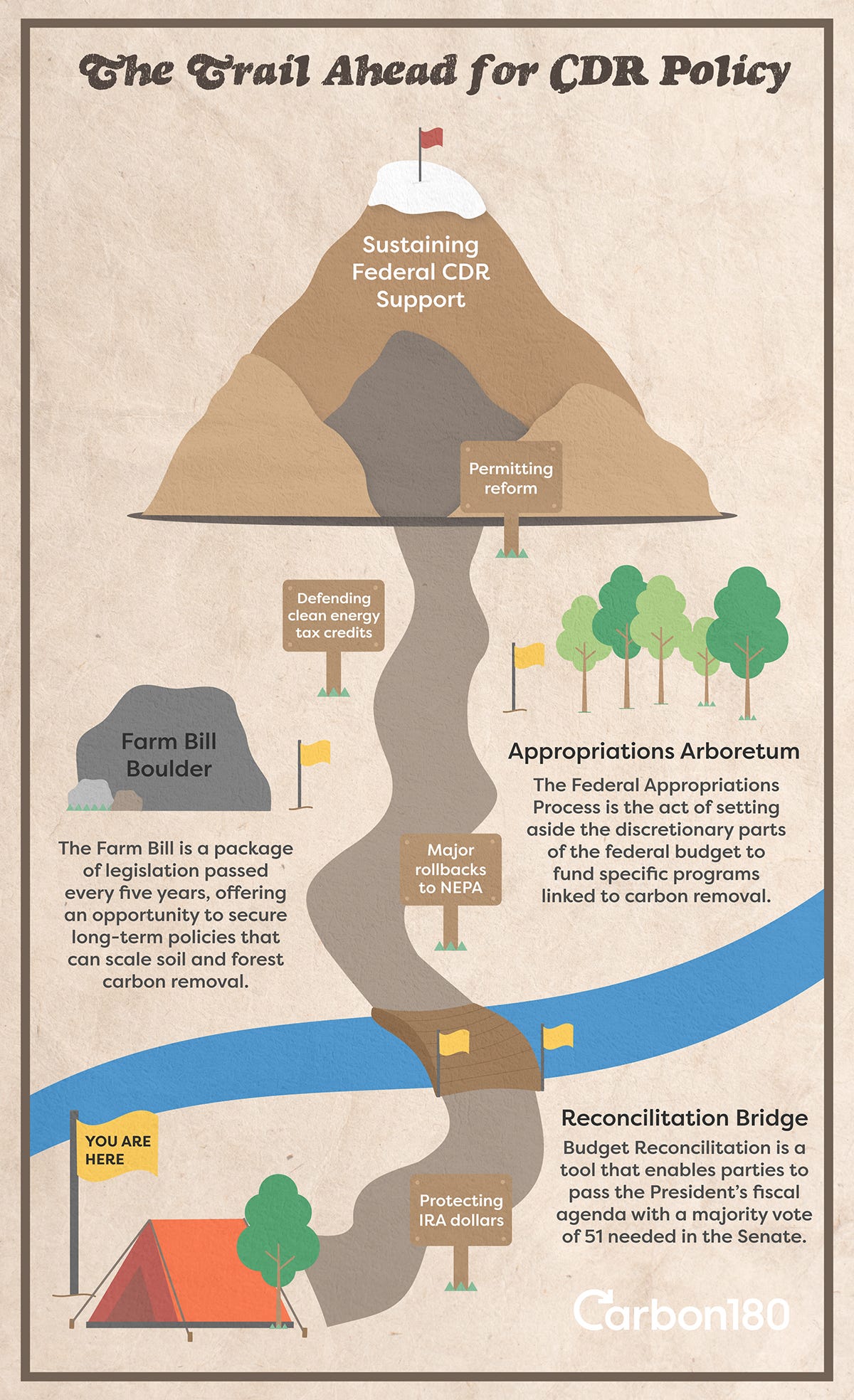

TABLE OF CONTENTS
1. This Week’s Top CDR Highlights
2. Commercial News
3. Research Papers
4. Web Posts
5. Reports
6. Upcoming Events
7. Job Opportunities
8. Podcasts
9. YouTube Videos
10. Deadlines
Note: Click on the headings listed in the table of contents above to easily navigate to the sections you're interested in.

THIS WEEK’S TOP CDR HIGHLIGHTS
PROJECT: Stockholm Exergi announced its decision to build a $1.3B BECCS facility in Sweden by 2028 to remove 800,000 tCO₂/yr.
CDR IN POLICY: A leaked document from a working group shaping the energy and climate policies of Germany's upcoming coalition government (led by CDU/CSU and SPD) recognizes CDR as crucial for the country's climate goals. Read on for Sebastian Manhart's comments on this here.
FUNDING UNCERTAINITY: U.S. carbon removal hub projects in Texas and Louisiana, backed by $550M each, may face funding cuts from the Energy Department, sources say.
RESEARCH PAPER: A new study found the biological carbon pump sequesters 2.8B tC/yr (~10B tCO₂)—locking it away for at least 50 years.
RESEARCH PAPER: Applying enhanced rock weathering techniques to forests could triple the level of carbon sequestration compared to croplands, according to a recent research published in Nature Communications.
EVENT RECORDINGS: Watch all the recordings from the Global DAC Conference 2025, hosted in NYC by the Direct Air Capture Coalition, here.
JOB OPPORTUNITY: Policy Manager at Negative Emissions Platform | Application Deadline: April 18
CALL FOR CONSULTATIONS: Isometric released the first-ever River Alkalinity Enhancement Protocol for public consultation—outlining the requirements for high-quality CDR via rivers | Deadline to provide comments: April 26
Read on to learn more:
COMMERCIAL NEWS
Stockholm Exergi announced its decision to build a $1.3B BECCS facility to remove 800,000 tCO₂/yr by 2028 (BECCS.SE)
Eion secured a $33M Frontier deal to remove 78,707 tCO₂ (2027-2030) via olivine on U.S. farmland (Frontier)
Japan’s Mitsui O.S.K. Lines signed a deal to purchase 30,000 CDR credits from Captura's Direct Ocean Capture technology (Captura)
Washington State University launched a $5M, six-year biochar and hemp study for soil, crops & carbon capture (Hoodline)
Shell, Equinor, and TotalEnergies have committed $710 million to expand Norway’s carbon storage project, following a new customer deal with BECCS firm Stockholm Exergi (Baird Maritime)
Dublin’s Philip Lee strengthened its CDR expertise with the acquisition of U.S.-based Skylight Law, forming the largest dedicated legal team in the field (Philiplee)
Nigerian climate tech firm Co2carboncredit partnered with a public university to generate CDR credits by planting indigenous trees on university land (Quantum Commodity Intelligence)
Mizuho, a Japanese Mega Bank joined NextGen CDR as a major buyer of permanent carbon removals (NextGen CDR)
Absolute Climate partnered with Vesta to develop methodologies for Vesta's ocean carbon capture pathway (LinkedIn)
KIT in partnership with Sunfire & Climeworks have developed a method to produce synthetic e-fuels from captured CO₂, currently yielding 100L/day, and aiming to scale up to 1 tonne of jet fuel daily for sustainable aviation (Interesting Engineering)
Dalhousie University’s Ocean Frontier Institute launched mCDR COMPASS, a new resource to track CDR progress in Canada (OFI)

RESEARCH PAPERS
Leveraging ecosystems responses to enhanced rock weathering in mitigation scenarios
Gaucher, Y., Tanaka, K., Johansson, D. J., Goll, D. S., & Ciais, P. (2025). Leveraging ecosystems responses to enhanced rock weathering in mitigation scenarios. Nature Communications, 16(1), 3021.
Synopsis: This study evaluates EW's role in cost-effective mitigation pathways, considering both geochemical CDR from basalt weathering and biotic CDR from ecosystem growth. Using an integrated model, the research shows basalt application to forests could triple carbon sequestration compared to croplands, reducing reliance on BECCS and mitigating costs. Further field testing is needed to improve understanding.
Degradation-Resistant biochar Improves soil organic carbon Storage: Promoting autotrophic metabolism & increasing refractory organic carbon
Tang, H., Hu, J., Li, B., Liu, Y., Tong, W. K., Yue, M. R., ... & Li, J. (2025). Degradation-Resistant biochar Improves soil organic carbon Storage: Promoting autotrophic metabolism & increasing refractory organic carbon. Bioresource Technology, 132452.
Synopsis: This study investigates biochar prepared from cellulase-treated lignocellulose (BC-SR) as a soil amendment for enhancing carbon sequestration. BC-SR increased soil carbon by 4.39 mg C/g (16.10 mg CO2/g), 28% higher than ordinary biochar. BC-SR promoted microbial autotrophic metabolism, protected organic carbon by forming soil macroaggregates, and increased refractory organic matter. These effects resulted in more persistent carbon storage, demonstrating BC-SR's superior performance over conventional biochar in enhancing soil carbon fixation.
Ocean alkalinity destruction by anthropogenic seafloor disturbances generates a hidden CO2 emission
van de Velde, S. J., Hylén, A., & Meysman, F. J. (2025). Ocean alkalinity destruction by anthropogenic seafloor disturbances generates a hidden CO2 emission. Science Advances, 11(13), eadp9112.
Synopsis: The seafloor contributes 40% of the ocean’s alkalinity input, enhancing its ability to sequester CO2. This stud finds that, disturbances from mobile bottom-contact fishing and dredging disrupt this natural carbon sink, reducing alkalinity generation by 60 to 220 gigaequivalent year−1, equivalent to a CO2 reduction of 2 to 8 teragrams per year. This alkalinity destruction causes hidden CO2 emissions, underscoring the need for carbon accounting to account for both organic and inorganic carbon cycles in marine systems.
Removing atmospheric CO2 through mass scaleup of crops with enhanced root systems
Faggiani Dias, D., Hanna, R., Sachnik, J., Xu, Y., Gilbert, J., Busch, W., & Victor, D. G. (2025). Removing atmospheric CO2 through mass scaleup of crops with enhanced root systems. Environmental Research Letters.
Synopsis: The IPCC estimates that 5–16 GtCO2 must be removed annually to achieve global net-zero emissions. This study introduces a new model for assessing the scalability of CDR strategies, using genetically enhanced crops that increase soil carbon through larger root systems as an example. Enhanced crops could remove 0.9–1.2 GtCO2 per year within 13 years of deployment, seven times the current global voluntary offset market. Scalability depends on policy, and early scaling could help meet IPCC targets, despite the less permanent nature of soil carbon storage.
Global distribution, quantification and valuation of the biological carbon pump
Berzaghi, F., Pinti, J., Aumont, O., Maury, O., Cosimano, T., & Wisz, M. S. (2025). Global distribution, quantification and valuation of the biological carbon pump. Nature Climate Change, 1-8.
Synopsis: The biological carbon pump (BCP) sequesters significant amounts of carbon in the ocean, but its value for conservation, climate finance, and policy has been underappreciated. This study estimates that the BCP adds 2.81 GtC annually to the ocean, with a storage time of at least 50 years. Valued at US$545 billion per year in areas beyond national jurisdiction, and US$383 billion within exclusive economic zones, the BCP's total discounted value for 2023–2030 is US$2.2 trillion. These findings highlight the BCP's climate and economic significance.
Ocean Alkalinity Enhancement Using Bipolar Membrane Electrodialysis: Technical Analysis and Cost Breakdown of a Full-Scale Plant
Ferella, F., Suichies, A., Abdelkader, B. A., Dabhi, N. K., Werber, J., & de Lannoy, C. F. (2025). Ocean Alkalinity Enhancement Using Bipolar Membrane Electrodialysis: Technical Analysis and Cost Breakdown of a Full-Scale Plant. Industrial & Engineering Chemistry Research.
Synopsis: A techno-economic analysis of a bipolar membrane electrodialysis (BMED) plant for ocean alkalinity enhancement (OAE) was conducted, focusing on the production of alkaline solutions from desalination brine. The plant was designed to produce 47,200 t/year of NaOH solution and 46,600 t/year of HCl solution as a byproduct. Three valorization scenarios for HCl were explored. The levelized cost of CO2 sequestration ranged from 848 to 1076 USD/t CO2, with costs potentially dropping to 394 USD/t CO2 with improvements.
Life Cycle Assessment in the Monitoring, Reporting, and Verification of Land-Based Carbon Dioxide Removal: Gaps and Opportunities
Yao, Y., & Zhang, B. (2025). Life Cycle Assessment in the Monitoring, Reporting, and Verification of Land-Based Carbon Dioxide Removal: Gaps and Opportunities. Environmental Science & Technology.
Synopsis: This perspective examines life cycle assessment (LCA) studies and monitoring, reporting, and verification (MRV) protocols for land-based CDR methods. It compares carbon accounting and environmental impact methods for bioenergy with carbon capture, biochar, enhanced rock weathering, and afforestation. The analysis highlights LCA's role in supporting MRV by addressing baselines, uncertainty, and carbon pools. Recommendations include prioritizing timing, permanence, and dynamic modeling, with stronger LCA-CDR collaboration for effective carbon markets and policy.
Enhanced Basalt Weathering for CO2 Sequestration: Phase Dissolution Rates, Carbon Sequestration Mechanisms and Practical Application
Tang, X., Liu, H., & Liao, L. (2025). Enhanced Basalt Weathering for CO2 Sequestration: Phase Dissolution Rates, Carbon Sequestration Mechanisms and Practical Application. Environmental Research, 121492.
Synopsis: Enhanced basalt weathering is a promising method for CO2 reduction, but challenges in isolating basalt phases from soil hinder accurate dissolution rate measurements. This study combines magnetic separation and XRD-Rietveld fitting to quantify dissolution rates of various basalt phases, with a carbon sequestration rate of 9.728 t ha-1 a-1. It identifies early-stage decomposition of certain phases and the formation of secondary products like carbonates, zeolite, and serpentine. A feasibility assessment for China emphasizes key considerations for successful implementation in climate change mitigation.
Evolution of silicate weathering in the Yangtze River Basin since 3.5 Ma as archived in the East China Seas: Controlling factors and global significance
Zhang, J., Wan, S., Clift, P. D., Jin, H., Song, Z., Tang, Y., ... & Li, A. (2025). Evolution of silicate weathering in the Yangtze River Basin since 3.5 Ma as archived in the East China Seas: Controlling factors and global significance. Global and Planetary Change, 104807.
Synopsis: Silicate weathering is a crucial carbon sink over geological timescales, but its role in climate regulation—whether as a positive driver or negative feedback to climate change—remains unclear due to a lack of reliable flux estimates. This study reconstructs silicate weathering intensity and flux in the Yangtze River Basin over the past 3.5 million years, revealing a decreasing weathering intensity linked to global cooling. Silicate weathering flux is primarily controlled by erosion flux, with climate change and tectonic activity influencing CO2 consumption and global cooling.
Dynamic Accounting of Carbon Uptake in the Built Environment
Van Roijen, E., Kane, S., Fan, J., Olsson, J. A., Bose, B., Hendrickson, T. P., ... & Miller, S. A. (2025). Dynamic Accounting of Carbon Uptake in the Built Environment. Environmental Science & Technology.
Synopsis: This study introduces a framework for analyzing cradle-to-grave CO2e balance in building materials, using a time-dependent global warming potential calculation. Applying the D-CUBE tool to concrete and cross-laminated timber (CLT), it finds CLT's long carbon storage reduces warming, while concrete's slow carbonation uptake has limited effect. D-CUBE allows consistent comparisons of materials and mitigation strategies, helping identify pathways to net-carbon-sequestering building materials across life-cycle stages.
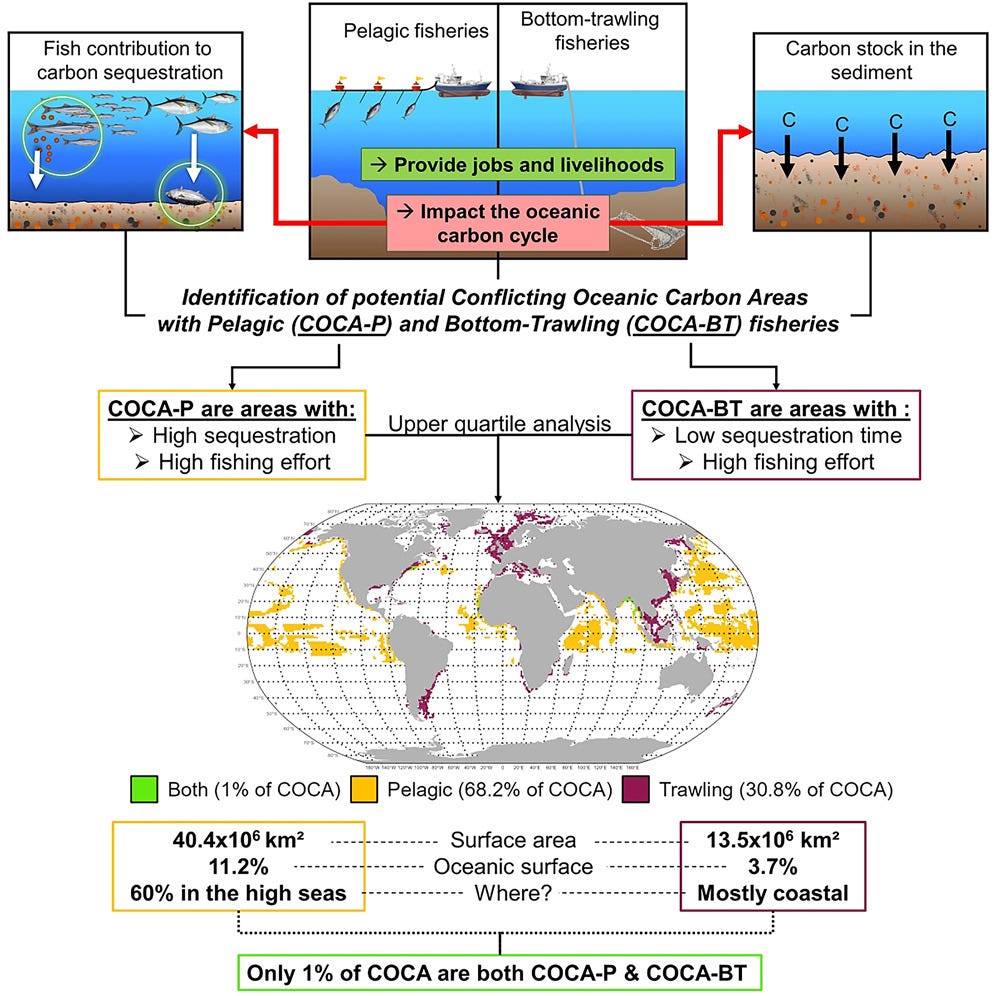
Potential conflicts between fishing and oceanic carbon sequestration in 15% of the ocean
Mariani, G., Guiet, J., Bianchi, D., DeVries, T., Durfort, A., Barrier, N., ... & Mouillot, D. (2025). Potential conflicts between fishing and oceanic carbon sequestration in 15% of the ocean. One Earth.
Synopsis: The ocean offers both socioeconomic and climate benefits, but fishing activities can disrupt carbon sequestration by marine macrofauna and sediments. Understanding the spatial overlap between fishing and key carbon sequestration areas is crucial for effective fisheries management. This study identifies conflicting oceanic carbon areas for pelagic (COCA-P) and bottom-trawling fisheries (COCA-BT), revealing minimal overlap (1%) and suggesting targeted fishing adjustments could mitigate conflicts, balancing food security, economic interests, and carbon sequestration.
Comparative analysis of industrialization potentials of direct air capture technologies
Koch, R., & Dittmeyer, R. Comparative analysis of industrialization potentials of direct air capture technologies. Frontiers in Climate, 7, 1558396.
Synopsis: This study examines direct air capture technologies with the highest potential for achieving gigaton-scale capture capacity, including Alkaline Gas Washing, Temperature Vacuum Swing Adsorption, Electro Swing Adsorption, and Accelerated Weathering Carbon Capture. Using a multi-criteria decision-making model, the study finds that Electro Swing Adsorption has the highest potential but requires further research on costs and adsorbent supply. Accelerated Weathering Carbon Capture follows, offering low energy demand and no fresh water needs. Temperature Vacuum Swing Adsorption shows promise due to cost reduction potential, while Alkaline Gas Washing, though lower in potential, could still be viable at a gigaton scale with improvements.
Microbial photosynthesis mitigates carbon loss from northern peatlands under warming
Hamard, S., Planchenault, S., Walcker, R., Sytiuk, A., Le Geay, M., Küttim, M., ... & Jassey, V. E. (2025). Microbial photosynthesis mitigates carbon loss from northern peatlands under warming. Nature Climate Change, 1-8.
Synopsis: A study on northern peatlands reveals that warming increases microbial photosynthesis, with a 3.4 mgC m−2 h−1 rise per 1°C increase. By 2100, this could lead to a gain of 51.1 Tg of carbon per year, offsetting ~14% of projected CO2 emissions in northern peatlands under the SSP 5-8.5 scenario. Enhanced microbial photosynthesis accelerates peatland CO2 uptake by stimulating nutrient mineralization, highlighting the role of photosynthetic microbes in mitigating emissions and supporting long-term carbon storage.
Refined weathering CO2 budget of the Tibetan Plateau strongly modulated by sulphide oxidation
Liu, W., Xu, Z., Sun, H., Zhao, M., Xu, Y., & Guo, Z. (2025). Refined weathering CO2 budget of the Tibetan Plateau strongly modulated by sulphide oxidation. Nature Communications, 16(1), 2741.
Synopsis: This study examines CO2 consumption and release processes in the Tibetan Plateau, focusing on the role of sulfuric acid (H2SO4) in weathering. The research finds that silicate weathering is typical, but carbonate weathering flux accounts for 2.09% of the global total, with 80% of H2SO4 from pyrite oxidation consumed by carbonate weathering. This process counteracts ~58% of the CO2 consumption from silicate weathering. The findings provide evidence that pyrite weathering in orogens acts as a negative feedback on atmospheric CO2 levels.
Investigating Cropland's Soil Carbon Sequestration Potential to Reduce Climate Change with the Cool Farm Tool
Das, S. K. (2025). Investigating Cropland's Soil Carbon Sequestration Potential to Reduce Climate Change with the Cool Farm Tool. Water, Air, & Soil Pollution, 236(4), 251.
Synopsis: Organic farming significantly increased the soil organic carbon (SOC) pool, with saprotrophic fungus dominance and a shift in bacterial life-history strategy from K- to R-strategy driving these changes. Among various cropping systems, rice-vegetable pea had the highest active carbon pools (11.14 Mg ha−1) and carbon management index (197.29), making it the most effective system for carbon sequestration in the Sikkim Himalaya. Soybean-buckwheat and rice-buckwheat ranked second and third. The study suggests promoting rice-vegetable pea cropping for effective land management in the region.
WEB POSTS
Buyers of Enhanced Rock Weathering credits need to ask for the right type of MRV (Milkywire)
US engineer’s concrete breakthrough may turn buildings into carbon-sucking structures (Interesting Engineering)
EU confirms plans to cast CO2 removal certification methodologies into law this year, despite heated debate on biomass (Carbon Pulse)
US carbon removal hub funding may face Energy Department cuts, sources say (Reuters)
Three ways to improve soil carbon measurement (Environmental Defense Fund)
How a surprising twist on rewilding could help settle our carbon debt (New Scientist)
Microsoft leads carbon removal purchases, but overall demand remains low (Business Standard)
The German Association For Negative Emissions Launches New “Think Negative” CDR Campaign (Carbon Herald)
Biodiversity and the Carbon Removals Carbon Farming Framework (Carbon Market Watch)
Microsoft Is This Industry’s No. 1 Fan. Others Should Be, Too (Bloomberg)
Spiritus Strengthens Industrial-Scale Direct Air Capture Expertise With Key Hires From Leading Clean Energy Programs (Business Wire)
2 ways to strengthen SBTi’s new net zero draft (Trellis)
Transparency gaps in carbon removal, forestry raised doubts over 250 net zero targets (Carbon Pulse
What TikTok and Sumitomo can teach about navigating the carbon removal market (Trellis)
Proposed Guidance for Corporates Explores the Role of Carbon Removal in Reaching Net Zero (RMI)
Vycarb aims to remove carbon from the East River while making it more habitable to life (Tech Brew)
Beyond sequestration: Insights from the 2nd EU Carbon Farming Summit (Climate KIC)
Beyond reforestation, let’s try ‘proforestation’ (Mongabay)
Trump admin approves carbon storage exploration project (E&E News by Politico)
Climate Plan 2025-2035 and recommendations of the Advisory Division (Stibbe)
Losing forest carbon stocks could put climate goals out of reach (PIK)
Biochar in Concrete: A Sustainable Solution for the Construction Industry (Puro.earth)
Could whales be a solution to climate change? Probably only a very small one (Sustainability by Numbers)

Validation checklists in Certify (Isometric)
German coalition plan show support for Article 6 to help industries meet EU ETS obligations (Carbon Pulse)
The momentum of the current carbon removal moment: moving the dial on the EU eCO2nomy (Carbon Gap)
Carbon removals: the key to a more competitive EU (Elimini)
How to Make BIG Money with Biochar (The Biochar Prepper)

Lawmakers and industry groups blast away at DOE project kill list (Politico)
Soil carbon lobby sets out concerns, remedies on CRCF draft (Quantum Commodity Intelligence)
Chestnut Carbon Announces More Than 160K Acres Enrolled in Improved Forest Management (IFM) Program (PR Newswire)
Peterborough County Farm Leads Canada’s First Biochar Project of its Kind to Boost Soil Health and Cut Carbon Emissions (Biochar Today)

REPORTS
Greenhouse Experiment 2025-2026-Prioritizing Variation Over Replication (Carbon Drawdown Initiative)
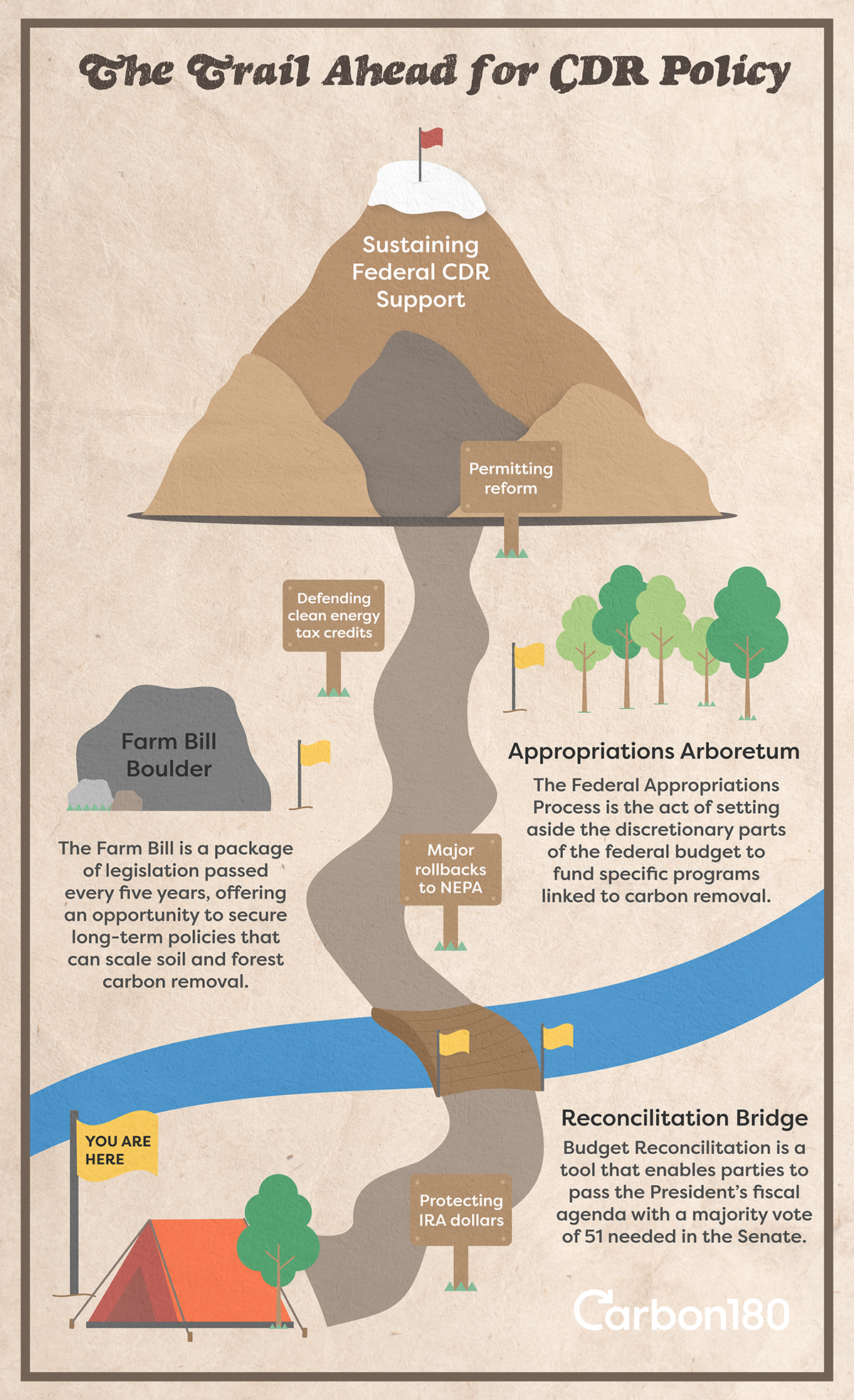
Creating a carbon removal tax credit (Carbon Removal Alliance)
Next Generation of US Policies To Remove Carbon Pollution From the Atmosphere (World Resources Institute)
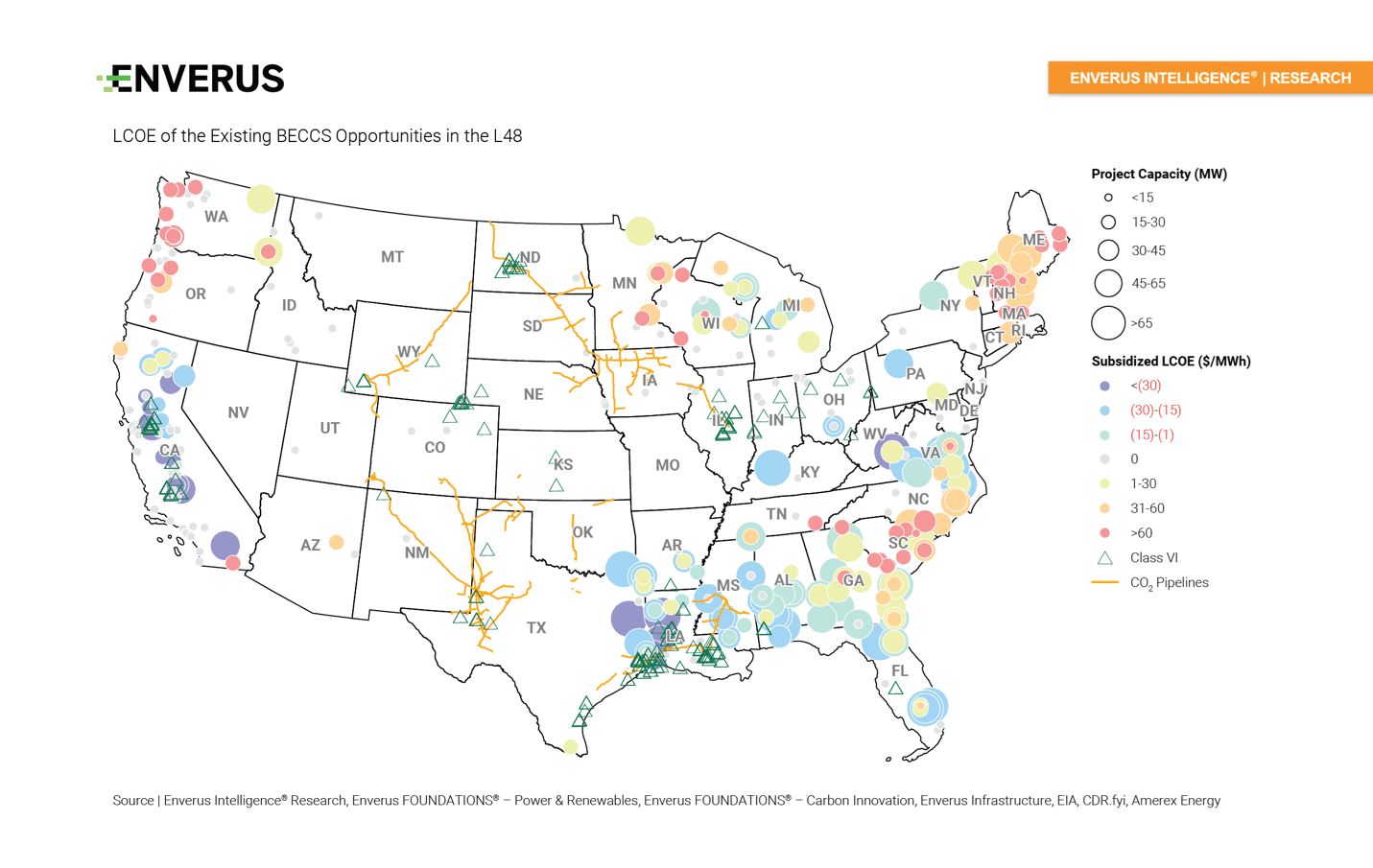
Wood you believe it? BECCS is taking off and creating overlooked, lucrative opportunities (Enverus Intelligence Research)
ETS, Reloaded? Designing Emissions Trading for Net-Zero and Net-Negative Societies (International Carbon Action Partnership)
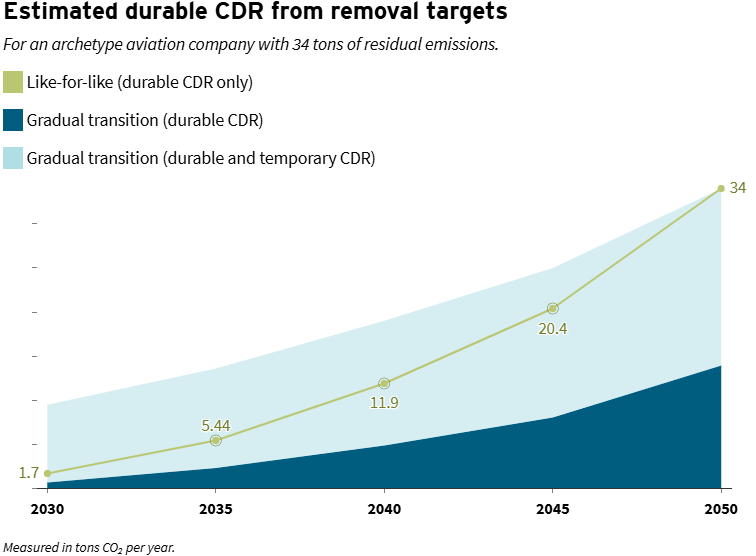
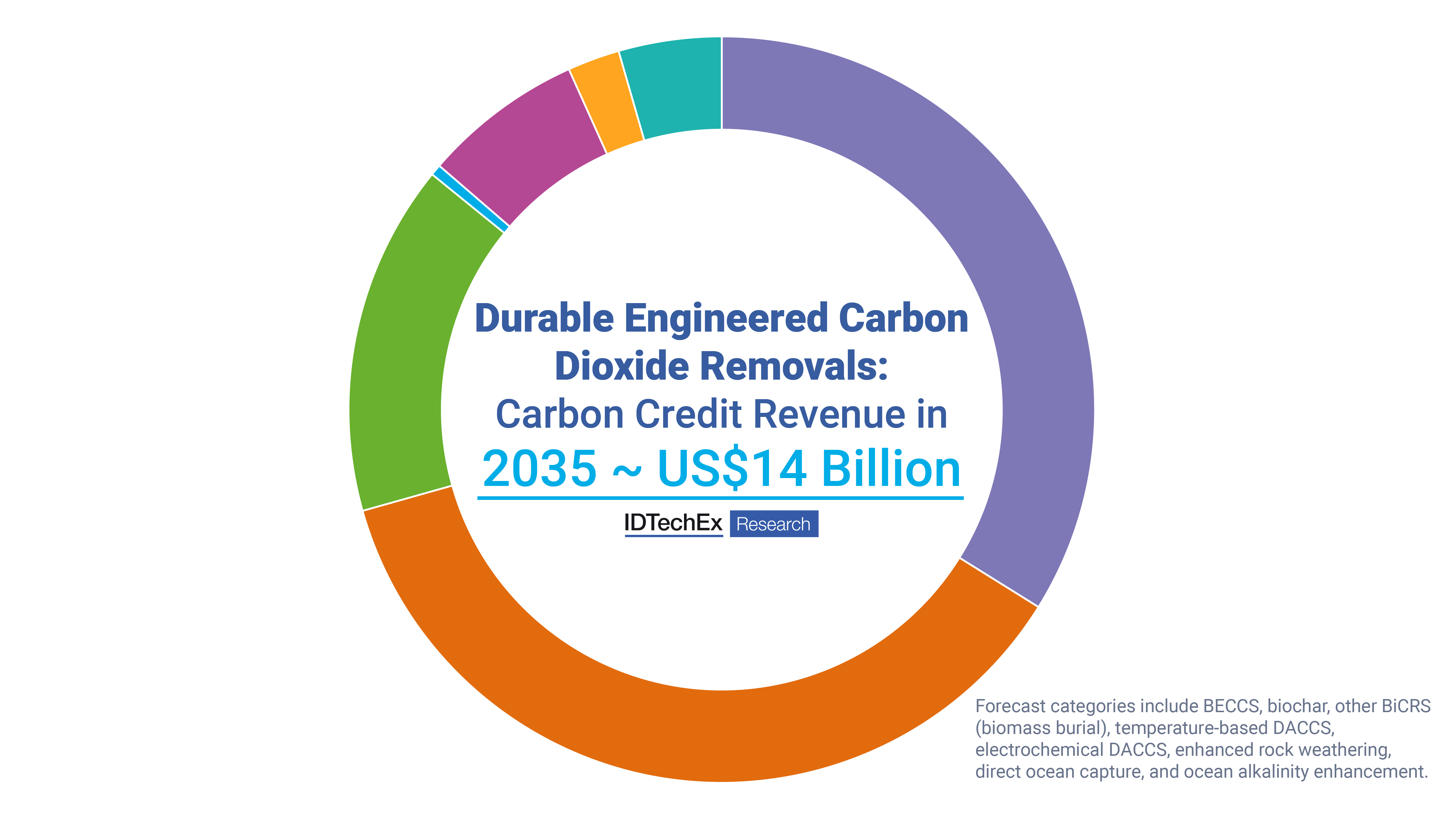
Carbon Dioxide Removal (CDR) 2025-2035: Technologies, Players, Carbon Credit Markets, and Forecasts (IDTechEx)
Research Priorities for Enhanced Weathering (Carbon Removal Alliance & Cascade Climate)
'Carbon removal in a sustainable Dutch energy system' (in Dutch) (TNO)

UPCOMING EVENTS
(NEW) What's moving in 2025: Actionable insights for an effective carbon credit strategy by Sylvera | 01 April 2025 | Online
Carbon Dioxide (CO2) Underground Storage: Technology, Uncertainties & Risks by Georgia Tech | 01 April 2025 | Online
THE BioCCUS Conference by Klimpo | 1-2 April 2025 | Sweden
(NEW) Unpacking Carbon Credits: The Power of Blue Carbon by Cloverly | 02 April 2025 | Online
The Power of Partnerships: Advancing Sustainability in Logistics and Aviation by Swiss World Cargo | 02 April 2025 | Online
(NEW) Carbon farming in action: key insights from the European Summit by ClimateKIC | 03 April 2025 | Online
Carbon Removal Target Setting: A Community Discussion by Milkywire | 03 April 2025 | Online
SHOWDOWN: Biochar vs Direct Air Capture by CDR Policy Scoop | 07 April 2025 | Online
Measuring, Reporting, and Verifying Biochar Projects: The Continuous Impact of Audits by International Biochar Initiative | 08 April 2025 | Online
ClimateHack Zürich: Beyond the Hype: Is Carbon Removal Delivering? by Hack | 08 April 2025 | Zürich
2nd Thought Leaders Summit to Net Zero by CEPEC Conferences | 08 April 2025 | London
IMPORTANT NOTE: I have spoken to the organisers of the 2nd Thought Leaders Summit to Net Zero on the 8th of April in London, this is a conference covering the full spectrum of renewable energy sectors. As a previous attendee, the organisers have offered a £30 discount to anyone in my network who wants to come.
The link to the event is www.carbon-assets.co.uk so if you want to attend, when you buy a ticket, simply add the code carbonremovalupdates and click APPLY, and complete the registration. The early bird price is £130 plus VAT, so you'll be paying just £100 plus VAT, which is a £30 discount at the early bird price of admission.
SBTi Draft Corporate Net-Zero Standard V2 Public Consultation: Live Q&A by SBTi | 09 April 2025 | Online
UPTAKE webinar series on CDR | Online
1) Apr 9, 2025
2) May 14, 2025
(NEW) Making a Market: The Future of Carbon Dioxide Removal by Resource Wise | 10 April 2025 | Online
Nellie Show & Tell. A Carbon Dioxide Removal Discovery Day by Nellie Technologies | 16 April 2025 | United Kingdom
An Exclusive Carbon Removal Reception at SF Climate Week by Leila Toplic & Carbon Business Council | 21 April 2025 | California
Overcoming the Hurdles: Making Carbon Removal Affordable, Understandable, and Scalable for Midsize Buyers by Eliza Erskine, Angela Tseng & SF Climate Week | 22 April 2025 | California
Global Biochar Exchange 2025 | 22-25 April 2025 | Japan
(NEW) Carbon Removals Drinks by ClimateImpact Calendar | 22 April 2025 | California
Noya presents: A DAC Demo Site Tour by Hiro, josh santos & SF Climate Week | 23 April 2025 | California
(NEW) Assessing the Feasibility for Large-Scale DACCS Deployment in the UK by City Science | 23 April 2025 | Online
(NEW) Scaling Demand & Corporate Action: A San Francisco Climate Week CDR Breakfast by Puro.earth | 23 April 2025 | San Francisco
First Annual Climate Restoration Summit at the 2025 EarthX Congress of Conferences | 24 April 2025 | Dallas, Texas
Carbon Removal Through Improved Forest Management: The Benefits of IFM by Forliance | 24 April 2025 | Online
Carbon Catalyst by the Pembina Institute's CDR Centre | 30 April 2025 | Calgary
DC Climate Week | 28 April – 02 May 2025 | Washington, D.C.
Bio-CO2 Use and Removal 2025 | 06 May 2025 | Helsinki, Finland
(NEW) GGR Insights: Critical factors in financing GGR technologies from 2026 onwards | 07 May 2025 | Online
Direct Air Capture Conference by Energy Conference Network | 15 May 2025 | Louisiana
Bio-Char IV Conference | May 18-23, 2025 | Santa Marta, Colombia
The Global Business Summit Accelerating Gigaton-Scale CDR by Carbon Unbound | 20 & 21 May 2025 | New York
ERW25: Terrestrial and marine carbon dioxide removal by enhanced rock weathering by University of Antwerp | 3-5 June 2025 | Belgium
Carbon Clean-up Camp | 25 June 2025
LAC Soil Carbon 2025 | 25-28 June 2025 | Reo de Janeiro (Brazil)
(NEW) 2nd Advancing Marine CDR Summit | 08 July 2025 | Boston
5th Brazilian Congress of Remineralizers Conference | 8-11 July 2025 | Brazil
2025 Carbon Removal Justice Fellows Program by The National Wildlife Federation (“NWF”) and the Institute for Responsible Carbon Removal (“the Institute”) at American University | 14-25 July 2025
The UK GGR Event by CO2RE Hub | 29 September - 01 October 2025 | United Kingdom
(NEW) alt futures—India's Carbon Removal Summit by Alt Carbon | 05 October 2025 | Bengaluru, India
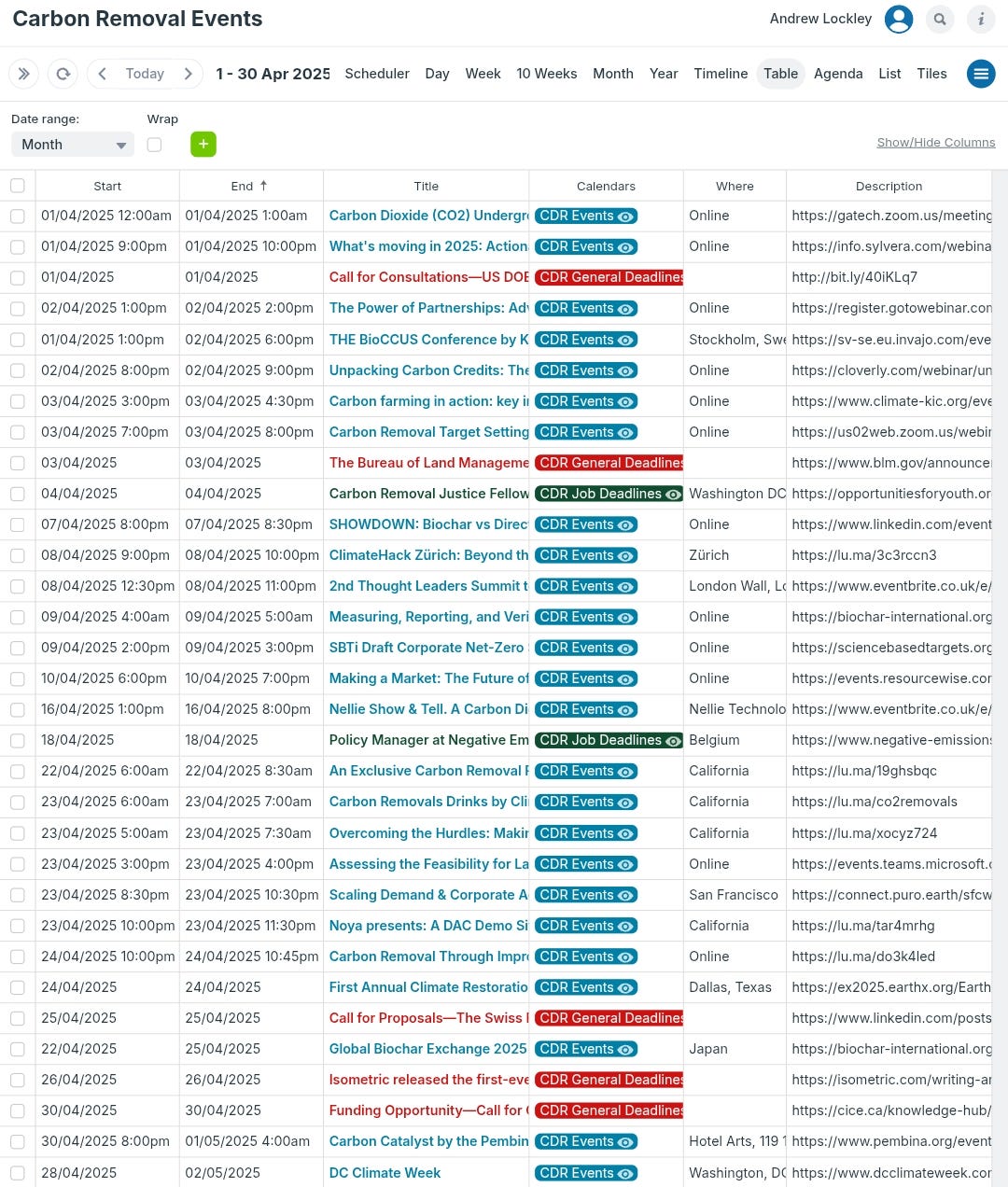
We have curated a “Carbon Removal Events Calendar.” Explore and stay informed about upcoming events, conferences, and webinars on Carbon Dioxide Removal technology. Sync specific events / all events to your default calendar to ensure you never miss out on important CDR updates.
GUIDELINES:
Sync selected events to your default calendar in these simple steps:
1) Click on the event you want to sync.
2) Tap the menu icon (three vertical lines) at the top left.
3) Choose 'Share.'
4) Pick your default calendar.
5) Save the event.
Sync the entire Teamup Calendar to your default calendar with these simple steps:
1) Tap the menu icon (three vertical lines) at the top right.
2) Choose 'Preferences.'
3) Click 'iCalendar Feeds.'
4) Copy the URL shown for 'CDR Events / CDR General Guidelines / CDR Job Deadlines.'’
5) Paste the URL into your default calendar settings.
6) Click 'Subscribe' or 'Add Calendar.'
For more detailed instructions, visit: https://calendar.teamup.com/kb/subscribe-to-teamup-icalendar-feeds/
You can directly sync all Carbon Removal events to your default calendars by pressing the link below:

JOB OPPORTUNITIES
Chief of Staff at Carbon Removal Canada | Remote
"At Carbon Removal Canada, we’re here to help Canada lead the world in permanent carbon removal – because reducing carbon emissions alone isn’t enough. We need to clean up the carbon that’s already in the atmosphere, and Canada has everything it takes to be a global leader: the talent, resources, and entrepreneurial drive."
Policy Manager at Negative Emissions Platform | Belgium | Application Deadline: 18 April 2025
"NEP’s vision is of a planet that, by 2050, has successfully broken its dependence on fossil fuels, generating vast amounts of renewable energy, and has deployed a wide array of negative emissions technology solutions on a massive scale, on all continents, and in a way that gives complete confidence in the credibility of measurement, accounting, and certification systems."
Subsurface Operation Lead at 44.01 | Oman
"44.01 eliminates CO2 by turning it into rock. Our pioneering technology accelerates the natural process of CO2 mineralisation to remove captured CO2 permanently in less than 12 months."
Mechanical Engineer Intern at Charm Industrial | Fort Lupton, CO
"Charm Industrial's mission is to reverse climate change and return the atmosphere to 280 ppm CO₂, profitably. We convert waste biomass into carbon-rich bio-oil and inject it into permanent, underground storage as carbon removal, or reform the bio-oil to produce syngas for fossil-free steel."
Climate Strategy and Solutions Consultant at CEEZER | Berlin
"CEEZER is a digital platform providing companies with easy, secure, and direct access to high-quality projects from the entire voluntary carbon market."
Senior Mechanical Engineer at Carboculture | Helsinki-Uusimaa, Lapland, Finland
"Carbo Culture is a climate technology company building a rapidly scalable biochar carbon removal solution."
Software Engineer at Supercritical | United Kingdom
"Supercritical provides radical transparency in price, availability, and quality with our marketplace, helping the largest companies in the world to secure top-tier CDR credits quickly and confidently."
Process Engineer at Norma | Paris, France
"Norma is a startup is developing cutting-edge technology for CO2 Direct Air Capture."
Project Manager at Greenlyte | Essen
"GCT was founded in September 2022 with the ambition to develop a low-cost, robust Direct Air Capture technology that captures CO2 at world-leading energy rates, whilst supplying hydrogen as a by-product."
Technical Lead, Engineered Carbon Solutions at SouthPole
"South Pole is an energetic, global company offering comprehensive sustainability solutions and services."
Industrial Project Manager at Ucaneo | Berlin
"Ucaneo is an early startup with a big vision - remove 500 million tons of global CO2 emissions from the air by 2035 through Direct Air Capture, roughly the same weight as all humans on earth combined!"
Senior Scientist - Geochemical Modeler at Vesta | Remote
"Vesta is a USA-based climate startup with a mission to help meet the challenge of the climate crisis by removing billions of tons of excess atmospheric carbon dioxide through Coastal Carbon Capture."
Carbon projects partnerships manager at Riverse | Paris, Berlin
"At Riverse, we are enabling this transformation by building the leading carbon crediting platform for engineered carbon mitigation projects."
Community Relations Manager at Planetary | Norfolk, Virginia
"Planetary Technologies’ vision is to protect and restore the ocean and climate for generations to come. We do this by enhancing the ocean’s natural ability to fight climate change through carbon dioxide removal and storage."
Plant Process Engineer Operations Team at Octavia Carbon | Nairobi
"Octavia Carbon is the global south’s first Direct Air Capture (DAC) company."
Supply Chain and Logistics Lead at Crew Carbon | Brooklyn, NY
"CREW utilizes the extensive infrastructure present in wastewater treatment systems to provide robust, empirical, and durable carbon dioxide removal through enhanced weathering, while delivering process benefits to our partners."
Looking for your dream job in CDR? There are 726 jobs available *right now*: check them all out at:


PODCASTS
"We're seeing serious economic costs of climate change," Barclay Rogers, Graphyte CEO | Carbonsations
"Our guest for this episode is Barclay Rogers, CEO and Founder of carbon removal company Graphyte. Graphyte specializes in a process known as carbon casting, which does away with biomass waste, while also removing CO2 from the atmosphere. Barclay talks about the technology's potential to scale, and dives into matters like the future of carbon markets and the 45Q tax credit."
Exploring EU policy with Elisabeth Harding | What goes up must come down
"With climate targets tightening and industries racing to decarbonise, carbon removal is no longer just an option—it’s a necessity. As policymakers, industries, and scientists seek innovative solutions to reduce atmospheric carbon dioxide level, the European Union is taking significant steps to integrate carbon removal in its climate strategy. But how is the EU shaping policies around carbon dioxide removal (CDR)? And what does this mean for business and the future of clean technology? Join us in our latest podcast with Elisabeth Harding, Policy Manager at the Negative Emissions Platform, to discuss these questions in depth."
The Keynesian Beauty Contest: Product-Market Fit in Climatetech & CDR | Reversing Climate Change
"Nearly a decade ago, I was introduced to the concept of the Keynesian Beauty Contest. It is one of those concepts that I keep coming back to time and time again.
I recently participated in a two-month Product-Market Fit workshop led by Peter Nocchiero of Alternate Future and Koray Parmaks of Carbon Zero Capital. So I've been living and breathing PMF.
Here is a short monologue bonus video episode where I talk about the Product-Market Fit issues of climatetech and carbon removal, a now-outdated reference to how TSLA bears kept getting crushed, and relate them to my experiences as a founder of the Nori carbon removal marketplace."
Can the oceans help in slowing climate change? | SBS News Climate Calling
"New experiments suggest that the ocean could hold the key to slowing down climate change. Marine carbon dioxide removal has been tested in waters from North America to New Zealand, but as Veronica Lenard reports, the full potential of the technology is not yet clear."
YOUTUBE VIDEOS
Net Zero Needs Nature and Nature Needs Net Zero | Oxford Net Zero
"This is a recording of the final talk in the seminar series "The Reality of Net Zero", jointly hosted by Oxford Net Zero, the ZERO Institute and Oxford EARTH. Dr Aline Soterroni and Professor Nathalie Seddon, both of Oxford Net Zero and the Nature-based Solutions Initiative, explain why "Net Zero Needs Nature and Nature Needs Net Zero"."
This is CDR: 2025 State-Level Carbon Removal Policy Action with Chris Neidl | OpenAir
"State legislatures are emerging as critical arenas for advancing carbon dioxide removal (CDR) policy, leveraging unique powers and authorities that complement – and sometimes surpass – federal action. As policy uncertainty persists at the Federal level, states hold significant potential to shape the future of and advance CDR through bold, innovative legislation. Join us for an in-depth survey of recent and current CDR-related bills that have been introduced across the U.S., representing a range of policy approaches. Learn how these state-level efforts are setting precedents, testing new models, and creating immediate opportunities for impact."
How Kenya is Becoming the Global Hub for Carbon Removal Technology | Startup Interview | EarthABC
"In this insightful interview, Specioser Mutheu reveals how their startup is:
-Developing cutting-edge direct air capture technology
-Leveraging Kenya's 93% renewable energy grid
-Creating jobs and driving green economic growth
-Transforming carbon removal from a concept to a reality
Key Insights:
-The unique geological advantages of the Kenyan Rift Valley
-How young African engineers are solving global climate challenges
=The future of carbon removal and sustainable technology"
IBCE25 - Jason Dodier - Accelerating Capital for Biochar Innovation | Grain Ecosystem
"As promised, we are live with our latest video from the Innovation Main Stage at the International Biomass Conference, featuring our Co-Founder, Jason Dodier, who delves deep into the world of biochar innovation!During his TED-style talk, Jason explores the key organizations and capital stack structures driving investment in biochar projects, with a focus on the accelerating demand for biochar carbon credits. This insightful talk will help you discover who these investors are, what motivates them, and the crucial elements they seek in a successful biochar initiative. Other key topics include the themes of "better, faster, cheaper," specific factors investors consider when funding biochar projects, and inspiring tales of biochar initiatives that have attracted significant capital and made a real impact.As Tom Steyer wisely said, "Innovation blooms where imagination is nurtured," highlighting the importance of creativity and visionary thinking in driving progress."
Can Enhanced Rock Weathering Supercharge Regenerative Farming + Fix the Climate? Prof David Beerling | Nick Breeze ClimateGenn
"Carbon dioxide removal (CDR) is a controversial topic and yet it is also embedded within many national plans for carbon reduction. David Beerling is the leading researcher in this field of Enhanced Rock Weathering, and here he shares a wide range of insights about the potential for deployment, effectiveness and scaling to meet our global challenges.
Obviously no one is suggesting that this can replace carbon emissions reductions. The transition to renewables is the critical societal evolution of our times. Even this obvious statement sounds controversial at a time when powerful state-backed corporations are doubling down on fossil fuel production and profiteering. These are tough times for anyone who understands the science of climate change and rate of ecological destruction, as we see the rise of corruption and actions of psychopaths that have long-term impacts on all our lives. With Europe having no choice but to propose hundreds of billions of euros be invested in a new arms race for defence in human conflict, we collectively appear blind to the threat posed by mother nature, a far mightier enemy of our own creation."
Ocean Carbon Capture: How VyCarb Is Unlocking Climate Solutions from the Sea | Catching Carbon
"In this episode of Catching Carbon, we sit down with Garrett Boudinot, Founder and CEO of VyCarb, to dive into a new frontier in carbon removal: oceanic carbon capture. Garrett shares how VyCarb’s cutting-edge technology is turning the tide on carbon emissions by extracting CO₂ directly from seawater—offering a scalable, nature-inspired solution that could redefine the future of climate tech."
Inside the Race to Remove CO2 from Our Ocean | Meet the Finalists | XPRIZE Carbon Removal | XPRIZE
"Does the ocean hold the key to reversing climate change? Dive into Episode 1 of the XPRIZE Carbon Removal docuseries as it examines groundbreaking innovations that are supercharging the ocean's capacity to remove and store atmospheric carbon dioxide.
Meet the teams leading this ocean carbon removal revolution:
Kelp Blue, a finalist team from the Netherlands, is harnessing the power of photosynthesis by cultivating vast kelp forests. These marine plants absorb CO2 and sequester it in the surrounding sediments and deep ocean. Their model aims to boost marine biodiversity while sequestering carbon.
Planetary, a Canadian finalist team, leverages ocean chemistry to increase seawater's alkalinity, enhancing its ability to absorb CO2 from the air. Their process neutralizes CO2, storing carbon safely in the ocean.
Ebb Carbon employs an electrochemical process, electrodialysis, to remove acid from the ocean, enhancing CO2 capture and converting it into bicarbonate. This U.S.-based finalist team is working to scale its solution by partnering with existing coastal infrastructure.Captura, another U.S.-based finalist team, utilizes direct ocean capture technology, extracting CO2 from ocean water via an electrodialysis process for sequestration or utilization. Their process uses only ocean water and renewable electricity."
“ETS, Reloaded? Designing Emissions Trading for Net Zero and Net Negative Societies” Launch Webinar | International Carbon Action Partnership (ICAP)
"Our new report analyses several ETS design options and aims to contribute to jurisdictions’ contemplation of the role of emissions trading in their trajectory towards net-zero and net-negative emissions. This webinar will offer valuable insights and discussions on the future trajectory and design considerations of ETSs, featuring expert insights from government and industry representatives."
Presentation: Where in the World is DAC being Deployed. Aaron Benjamin - Global DAC Conference 2025 | Direct Air Capture Coalition
"Presentation: Where in the World is DAC being DeployedAaron Benjamin, Founding Team and EMEA Lead, Direct Air Capture Coalition From Day 1 of the 2025 Global DAC Conference."
How to get more people buying your credits | Tito - AirMiners
Evaluating the Role of Wood Products as Carbon Offsets | Resources for the Future
"After trees are harvested, their carbon storage capacities continue through wood products, contributing to US carbon sinks alongside living forests. Strong markets for wood products can encourage reforestation and prolong the duration of carbon storage, but challenges to the viability of these markets and calculating carbon credits, especially in the face of increased wildfire intensity and frequency, remain. On Wednesday, March 26, Resources for the Future (RFF) hosted a webinar convening researchers and forest sector analysts. Together, these experts addressed critiques; examined the role of wood products in carbon accounting and offset markets; identified opportunities for crediting protocols; and clarified the role of wood products in reducing net emissions."
Keep Calm and Remove On: CDR.fyi's 2024 Year in Review | Institute for Responsible Carbon Removal
"Join the Institute for Responsible Carbon Removal for the next event in its webinar series, “Scrubbing the Skies: The Role of Carbon Dioxide Removal in Combating Climate Change.” The series focuses on scientific, technological, legal, political, and justice-focused issues associated with carbon dioxide removal, and is hosted by the Institute's Co-Director Wil Burns.
The durable carbon removal (CDR) market has experienced significant growth, with purchases increasing 78% in 2024 to nearly 8 million tonnes. However, this growth is tempered by a plateauing of unique purchasers and a decline in first-time buyers. Additionally, investment activity has decreased, raising concerns about the market's future expansion.
While proactive purchaser leaders drove the initial sales, the market now risks stalling unless a new wave of purchasers enters to scale the market. This webinar will explore these trends and discuss the critical role of purchaser engagement in unlocking the market's full potential."
Episode 4 - Skeptics vs Believers: Is Direct Air Capture Hope or Hype? | Scrubbing the Sky
"Host Ed Whittingham closes out Season 1 by examining the case against Direct Air Capture by one its harshest critics, Al Gore, followed by the counterarguments of supporters. Will DAC live up to its hype and potential to help cool a warming planet?"
Airbus Summit 2025 - Day 2 (25th March) | Airbus
"The Airbus Summit 2025 brought experts together to talk about pioneering sustainable aerospace and how we are shaping the future of aviation."
Global DAC Conference 2025 | Direct Air Capture Coalition (Playlist)

Lightening Round - Global DAC Conference 2025 | Direct Air Capture Coalition (Playlist)

Weekly Carbon Removal Updates from 24 March - 30 March 2025 | Carbon Removal Updates Bulletin
DEADLINES
Call for Consultations—US DOE released a draft report for public comment on Carbon Dioxide Removal - Purpose, Approaches, and Recommendations | Review the report and comment by 01 April 2025
The Bureau of Land Management opened public comment on Wyoming CO₂ sequestration project | Deadline: 03 April 2025
The Swiss Federal Office of Energy has earmarked 100 million Swiss francs for CDR, CCS and storage projects under the new Climate and Innovation Act | Pre-proposal deadline: April 25, 2025
(NEW) Isometric released the first-ever River Alkalinity Enhancement Protocol for public consultation—outlining the requirements for high-quality CDR via rivers | Deadline to provide comments: 26 April 2025
Funding Opportunity—Call for Carbon Dioxide Removal Innovation by B.C CICE | Application Deadline: 30 April 2025
Call for Proposals—Tencent launched global CarbonX program 2.0 to accelerate climate tech innovation including CDR | Application Deadline: May 2025
The Science Based Targets Initiative released a draft of the Corporate Net-Zero Standard V2 for public consultation, outlining options for companies to integrate CDR into their net-zero strategies—applicable only to scope 1 emissions | Deadline to provide response: 01 June 2025
Puro.earth is revising its Enhanced Rock Weathering methodology, with a public consultation ending in June 2025
Student Writing Competition: Marine Carbon Dioxide Removal Law and Policy | Submissions are due by 15 June 2025
Call for Manuscripts—Soil microbiome in carbon sequestration | Submission deadline: 29 October 2025
Follow us on:
Twitter | Bluesky | LinkedIn | YouTube | Substack | Podcast 1 | Podcast 2